/icon_text_light_svg.svg)

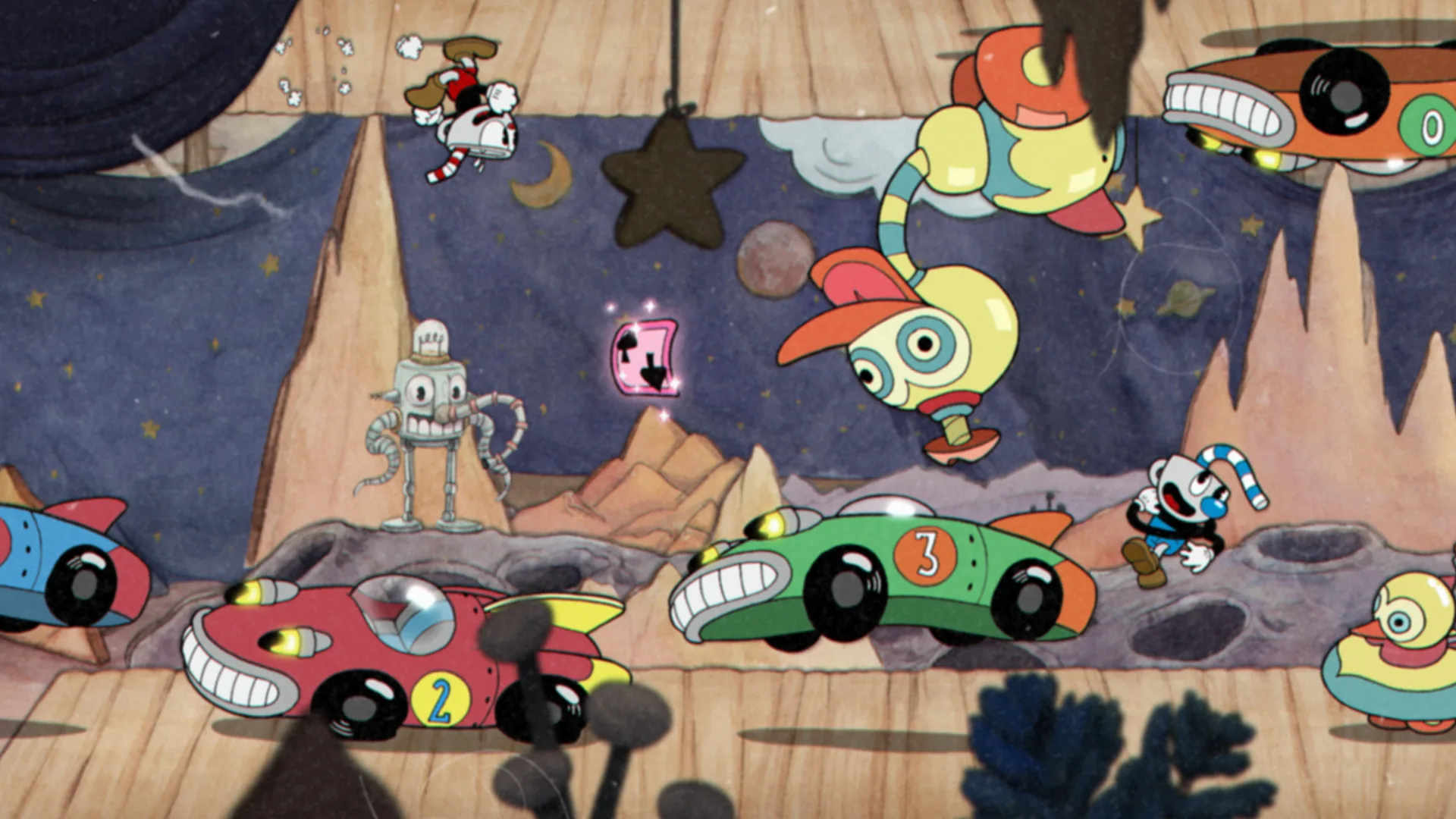
You can make a run-and-gun boss game like Cuphead with Chatforce: choose 2D when you create it, describe the game in chat, and play a first version in about 10 to 15 minutes. Chatforce is a tool where you describe a game in chat and AI agents build it, in 2D or 3D, single-player or multiplayer. Describe it to Chatforce like this: start with how the player moves, shoots, and dodges, then one boss with two or three attack patterns and a quick retry after defeat. Add phase changes once the first fight is fair, and tune it in chat. See the run-and-gun boss rush page for the structure. Cuphead is a reference only, so your game needs original names, characters, art, music, and story.
Play Cuphead style games made on Chatforce
These games were made and published on Chatforce. Open one to see how another creator turned a similar idea into a browser game.
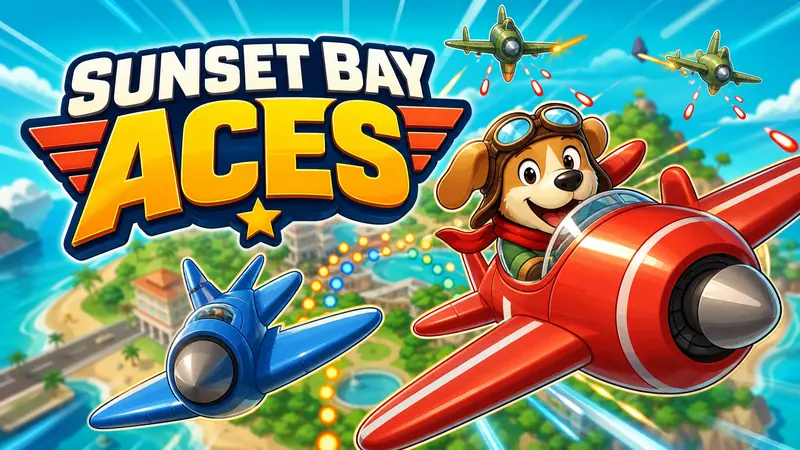 Sunset Bay AcesMade with Chatforce
One or two planes dogfight over a cartoon island, dodging patterns across rising waves.
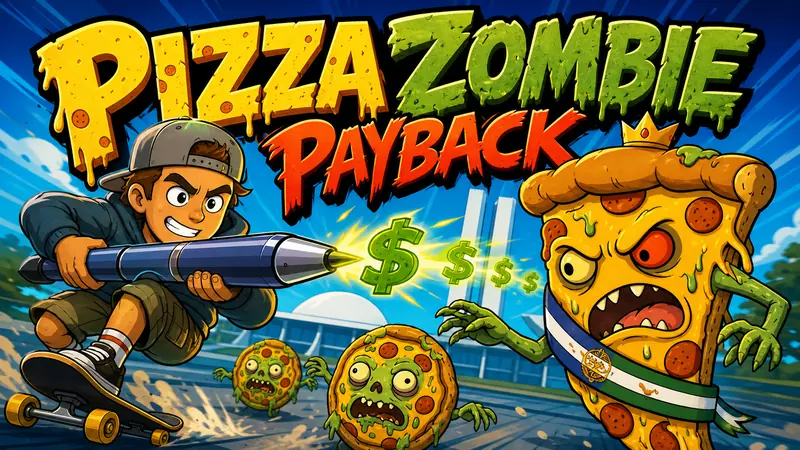 Pizza Zombie PaybackMade with Chatforce
A skateboarding hero blasts waves of zombie pizzas, then faces the pizza boss.
Build a fight around readable danger
Every boss attack needs a tell, such as a glowing arm or floor marker, followed by enough time to jump or move. Keep cues consistent so a hit has an understandable cause. Firing while running adds a choice, so decide whether shots aim forward or use a separate direction input. Use a small weapon set and distinct projectiles that stay visible over the arena. For a game similar to Cuphead, keep each warning distinct from the projectile itself. Readable tells are also central to fighting games. Sound effects paired with each tell help players react.
| Design choice | What to decide |
|---|---|
| Movement | How run speed, jump arcs, and air control feel |
| Attack | How firing and aiming work while moving |
| Boss read | How each windup signals its danger zone |
| Phase rhythm | What changes after damage or elapsed time |
| Visual direction | How vintage-inspired animation stays legible |
Use a handmade look without hiding the action
Describe an original vintage-inspired cartoon style through painted scenery, elastic poses, ink lines, and theatrical color. Make the player's outline distinct from hazards, and reserve strong contrast for warnings. Give bosses silhouettes that hint at their next move. Keep retries quick and divide each fight into a few phases that introduce patterns before combining them. Pixel art is a different route if a hand-drawn cartoon is not your goal.
Stage a boss fight with clear rules
Start as a 2D platformer
Choose 2D when you create the game, so decide the view first. A run-and-gun boss rush fits a 2D platformer: describe side movement, jumping, firing, and a compact arena. The AI can build code, art, and audio from your prompt. Tell it that the arena should leave space around both the player and the boss, with the health display and any attack warning visible at once. Use a new protagonist and setting, not a recreation of Cuphead's cast or locations.
Specify how a hit is avoided
Write down the controls and their response before adding a complicated fight. Set a run speed, jump height, air steering, and whether the character can fire while airborne. If there is a dodge, state its duration and recovery so it cannot be spammed without thought. Describe how contact damage works and how much health the player has. Ask for immediate, consistent feedback when a hit lands, such as a brief flash and a changed health indicator. Then test whether a player can move through the arena without fighting the controls.
Design one boss as a sequence
Describe the boss's shape, personality, arena position, and a few attacks in the order they can appear. For each attack, explain its warning, where danger reaches, how long it lasts, and which movement answers it. Add phase changes based on health, with a brief transition that gives the player time to read the new pose. Use only a small weapon set at first, and tune boss health so the fight tests pattern recognition rather than sheer duration. Build a second encounter only after the first one teaches its rules cleanly.
Direct the cartoon treatment
Choose original period-inspired art cues, such as hand-painted scenery, limited ink colors, visible paper grain, and exaggerated stage gestures. Request original character silhouettes and typography, and ask that warnings keep enough contrast against the background. You can give visual references for broad mood, but the game should not reproduce their characters, props, or compositions. Ask the AI to create a short intro and quick retry flow that suit the fictional world. In each iteration, identify a specific readability issue or timing problem and request a change you can test immediately.
Example prompt: Make an original 2D run-and-gun boss rush about a mail carrier delivering letters through a stormy traveling theater. Use crisp platform movement, a jump, and a forward shot that remains usable in the air. Build one first boss, a masked weather conductor with three clearly telegraphed attacks and two phases. Let the player restart the fight quickly after defeat. Use original cast, names, props, stage designs, art, music, and story. Give it a hand-inked vintage cartoon mood with painted scenery, while keeping projectiles and warning cues highly visible.
Tune the dance between attack and escape
Replay each boss while paying attention to the gap between warning and impact. A player should have time to identify the pattern, choose a response, and still risk a mistake. If an attack feels unfair, extend its windup or make the danger zone more distinct before reducing its damage. If a pattern is trivial, change its timing or add a follow-up that uses a known rule. Ask another person to play without coaching. Their first failure tells you whether a cue taught the intended lesson. Games similar to Cuphead also depend on readable patterns that players can learn through retries. Hades-style combat uses the same spacing between warning and impact.
Publish a short, replayable challenge
Publish the browser-playable game through Chatforce when one fight is polished enough to represent the idea. A shareable URL lets friends try the encounter without an account, and their reactions can help reveal unclear tells or frustrating retries. Chatforce builds your code, art, and audio, and you can keep iterating through chat: describe what feels off, request a change, and replay. You own the work, and the published game has no watermark. A single well-tuned boss is a useful first release while you plan more original encounters. The game gallery offers examples of browser-playable projects. Construct and other 2D editors are the usual alternative if you want to animate bosses by hand.
Frequently asked questions
Can I make a direct copy of Cuphead?
Use Cuphead only as a reference for broad run-and-gun and boss-rush traits. Make an original game with new names, characters, art, music, and story, and invent your own fights and patterns.
Should this boss rush be 2D or 3D?
A 2D platformer layout fits side movement, jumping, projectiles, and compact boss arenas. Pick 2D or 3D when you create the game, so decide the view first.
Can Chatforce make a boss rush?
Yes. Start from a 2D platformer, then describe boss phases, projectile behavior, warning cues, and retry flow in your prompt, and the agents build them.
Related pages: Make a platformer with AI · Platformer maker · 2D game maker · Games like Cuphead · How to make a game with AI