/icon_text_light_svg.svg)

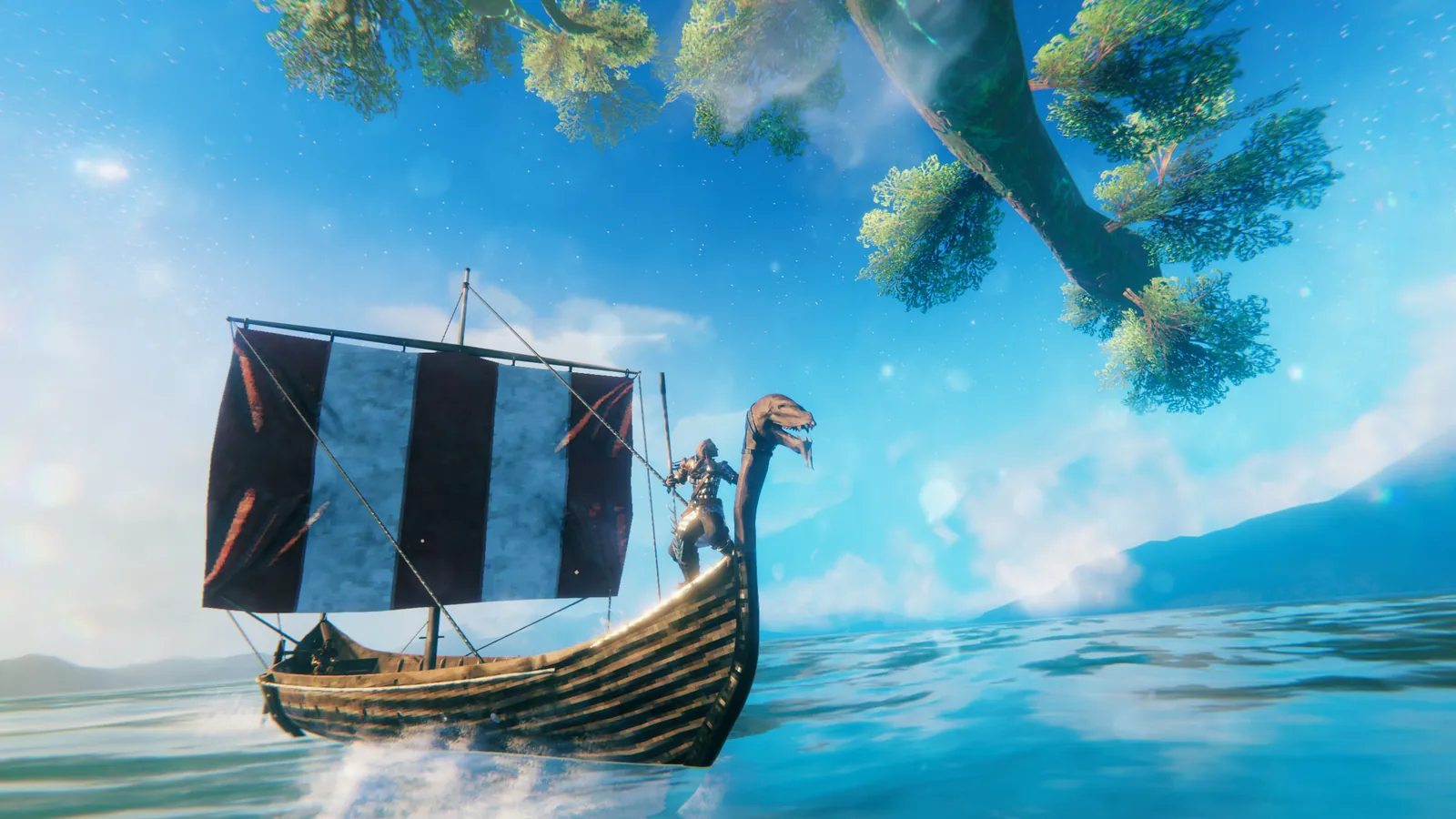
You can make a game like Valheim with Chatforce: choose 3D when you create it, describe the game in chat, and play a first version in about 10 to 15 minutes. Chatforce is a tool where you describe a game in chat and AI agents build it, in 2D or 3D, single-player or multiplayer. Describe it to Chatforce like this: start with one region of mythic wilderness, a few materials to gather, a simple shelter to build, and online co-op so friends can play together. Then add crafting tiers, survival pressures, and the next journey, and iterate by playing the first region with friends. Mythic settings benefit from one consistent art style.
Play Valheim style games made on Chatforce
These games were made and published on Chatforce. Open one to see how another creator turned a similar idea into a browser game.
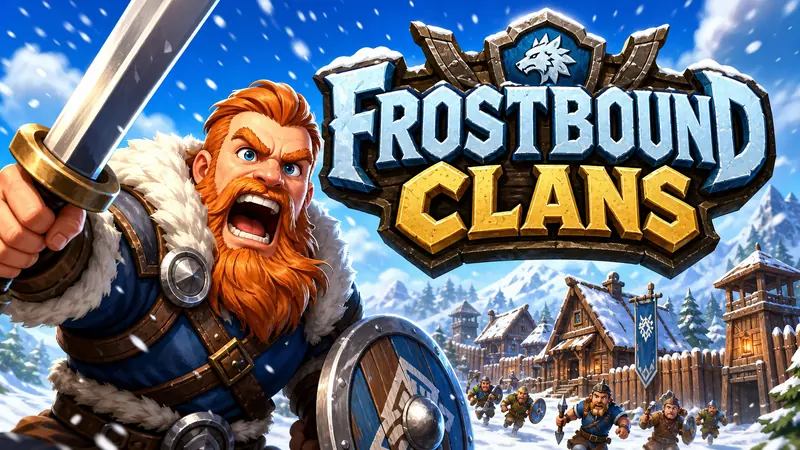 Frostbound ClansMade with Chatforce
Build a Viking village in frozen wilderness, survive harsh winters, and raid rivals.
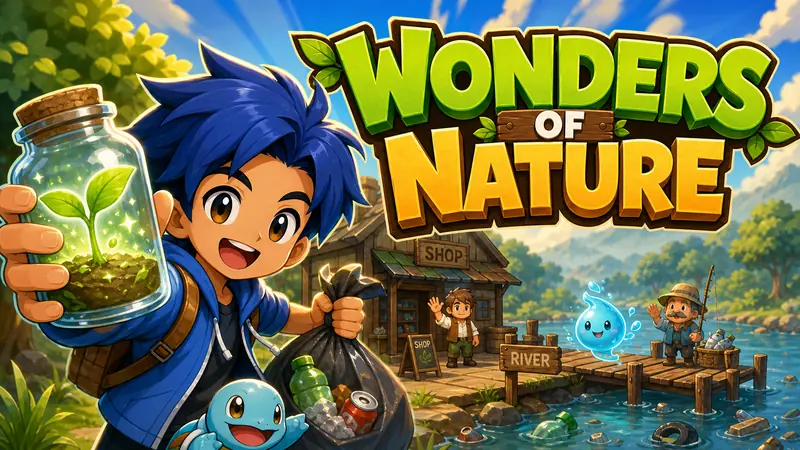 Wonders of NatureMade with Chatforce
Explore, craft, and restore four polluted ecosystems as one of four heroes.
Make exploration feed the home base
A survival adventure needs a reason to leave shelter and return. Put a visible landmark beyond the starting meadow, then place a material there that unlocks a tool or station. The party can decide whether to travel prepared or risk a quick trip with little food. When they come back, the new tool should change what they can gather or build, opening a longer loop through the world. This gives exploration a practical shape without turning every walk into a checklist. Crafting and base building also anchor Palworld-style games. Character art for each player helps friends tell each other apart in co-op.
| Design choice | What to decide |
|---|---|
| World view | Choose 3D for terrain, landmarks, structures, and a shared sense of distance. |
| Survival pressure | Select a few readable needs, such as warmth, food, or safe rest. |
| Crafting | Describe resource recipes, stations, and how new tools open routes. |
| Building | Define snap points, structural support, and a useful first shelter. |
| Co-op journey | Choose how players divide scouting, gathering, building, and defense. |
Plan the world from shelter outward
Choose 3D and establish a readable region
Choose 3D at creation because this design depends on walking through terrain and seeing a shelter change the landscape. Chatforce can create a real-time world with generated models, lighting, and a directable camera. Ask for a small region with a home clearing, a river crossing, and a distant landmark visible above the trees. Keep the camera close enough to place materials and wide enough to see approaching threats. Add a simple movement and interaction scheme, then make sure a new player can find home again without a complicated map.
Describe crafting as a connected chain
Crafting is not a listed built-in system, so describe the resources, recipes, and workstations you want. Begin with a hand tool made from nearby branches and stone, then let gathered ore or resin unlock a forge or lantern bench. Make each recipe answer a question about the next trip: can the player cross water, survive cold, or carry more supplies? Ask for recipe previews that show missing ingredients and a short sound or animation when a tool is made. Keep the first chain small enough to understand in one session.
Build shelter with clear placement rules
Describe building pieces and how they attach before asking for a large settlement system. A first shelter might use floor sections, upright posts, sloped roof panels, a door, and a fire bowl. Specify whether pieces snap to a grid or to nearby supports, and make invalid placement easy to recognize. Include one structural rule, such as roof panels needing a post beneath them, so construction has a little problem solving. Ask Chatforce to show a ghost preview before placement and a simple repair option for damaged pieces.
Give the co-op party reasons to divide tasks
A group expedition becomes interesting when each player can contribute differently without locking anyone into a class. One person can scout a route, another can carry building supplies, and a third can watch for a creature while the party gathers. Describe shared storage and a clear way to regroup if someone falls behind. Add one enemy encounter that rewards preparation, such as building a barrier or luring a large beast away from a narrow path. Keep early survival needs limited so players can talk and explore instead of constantly checking meters.
Example prompt: Make an original 3D co-op survival game set in the fictional Cloudfen, where travelers build a refuge beside a silver marsh. Players gather reed, driftwood, and blue clay, then craft a lantern, a skiff, and a small set of shelter pieces at distinct workstations. Roof panels need support posts, and a cold fog makes resting near a fire useful. Add one safe meadow, one flooded route, and an original marsh guardian that telegraphs attacks. Use original names, creatures, art, music, and story.
Check that every trip changes the plan
Play a loop from shelter to landmark and back. Notice whether players know why they are gathering a material and what it will unlock. If the party returns with a full inventory but no new choice, add a recipe or storage decision that uses those finds. If survival needs distract from exploration, slow their drain or make the warning arrive earlier. Test construction in daylight and at night so placement remains readable. Tell Chatforce about the exact moment that felt flat, adjust one loop element, and take the same journey again. Sound effects for gathering and crafting help confirm progress.
Invite a crew to build and explore
Publish once players can recognize home, make a useful tool, and reach a nearby landmark. The game is playable in a browser at a shareable URL, and friends can join without an account. Chatforce supports online multiplayer in 3D for up to 8 players per room, which gives a small group room to scout, gather, and build together. Start with a single region and a clear first goal, then expand after players explain which resource or route they wanted to pursue next. You own the work, and published games have no watermark. If you plan to build a 3D survival world in a traditional engine instead, see the Unreal alternative comparison.
Frequently asked questions
Can I make a direct copy of Valheim?
Use Valheim as a reference for co-op wilderness survival and building progression. Create original names, creatures, art, music, structures, and story, and invent your own crafting recipes and world.
Can Chatforce make crafting and building systems?
Yes. Describe resources, recipes, workstations, placement, and structural rules in your prompt, and the agents build them.
How many people can explore together?
Chatforce supports online multiplayer in 2D and 3D, with up to 8 players per room. Describe how players share supplies and regroup during an expedition.
Related pages: Multiplayer game guide · How to make a game with AI · 3D game maker · Games like Terraria · Multiplayer game maker